Split the requirement into four parts
The face material carries the artwork and the appearance; the adhesive system connects the label to the item it is applied to; the liner and die-cutting affect how the label releases; surface treatments such as lamination are discussed against the specific production plan. When asking for a quote, describe the whole construction rather than a single material name.
Provide the packaging first, then discuss materials
Provide actual samples of the glass, plastic, metal, carton or textile substrate, and describe the curvature, texture, surface treatment and cleanliness. Containers that look similar should still be confirmed against actual samples.
What to look at when confirming the sample
Record the conditions during labelling and in use, and watch for edge lifting, bubbling, slipping, changes in appearance and legibility of the information. Test duration, method and acceptance criteria are agreed by both sides; keep the approved sample for later comparison.
Discussion checklist
| Item | What to prepare | Basis of confirmation |
|---|---|---|
| Ambient dry packaging | Surface material, curvature and labelling method | Appearance, edge adhesion and legibility |
| Chilled bottles and cans | Temperature before and after labelling, condensation and the storage process | Appearance and adhesion before and after chilling |
| Frozen food packaging | Packaging flexibility, labelling temperature and temperature change | Condition after actual storage and transport |
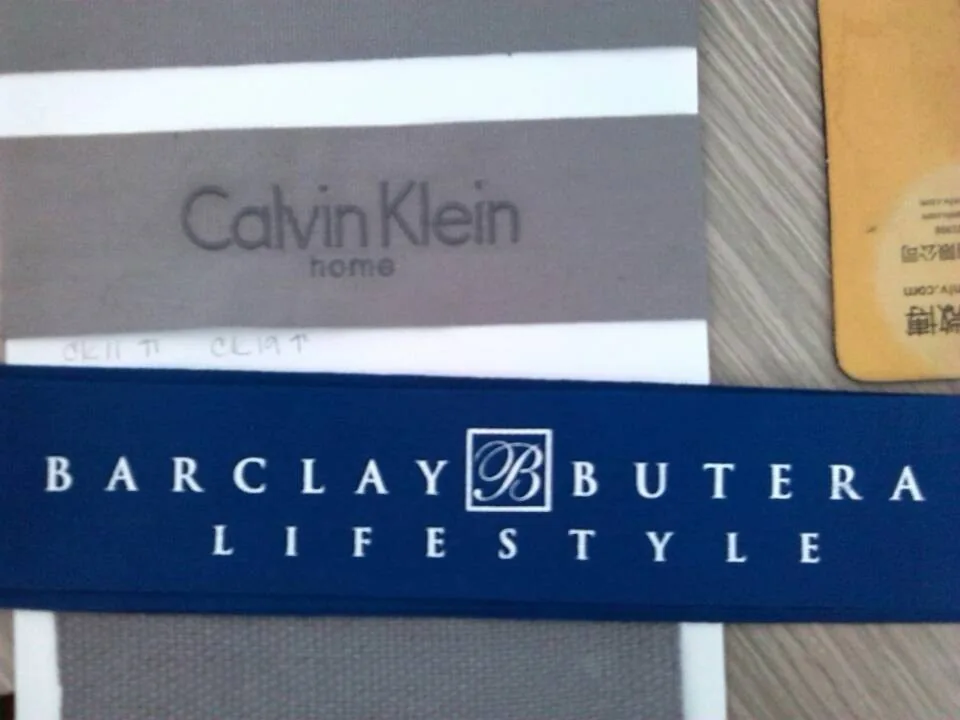
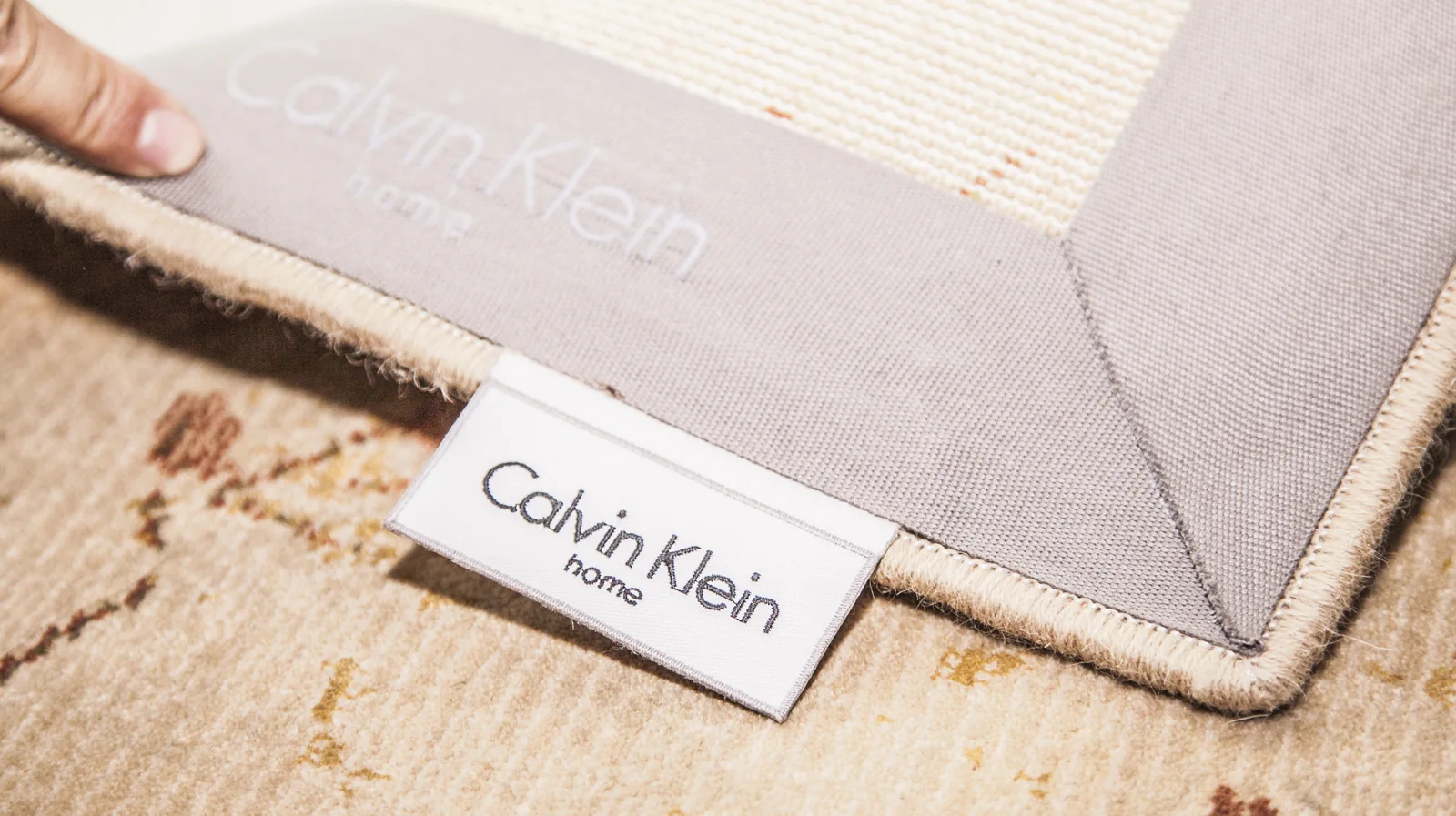
| Carpet and textile substrates | Substrate, fixing or application method, and process records | Sample adhesion and agreed in-use check |